Flooded Basement Cleanup in Stonewater: Steps and Cost
It usually starts the same way in Stonewater. You head downstairs to grab something from storage, your sock hits water, and your stomach drops. Maybe a sump pump quit during an overnight storm, maybe a supply line let go behind the water heater, or maybe groundwater finally found a crack in the foundation after three days of rain. Whatever the source, you are now standing in a basement that should be dry, watching baseboards wick moisture upward and cardboard boxes turn to mush. The clock that matters most is the first 24 to 48 hours, because that is the window before mold colonies start forming on drywall paper, framing, and the underside of subfloors.
Stonewater Water Restoration has been handling basement flooding calls across central Indiana since 2018, and the playbook does not change much from house to house. What changes is how quickly the homeowner reacts, how cleanly the water gets categorized under IICRC standards, and how honestly the restoration company communicates about cost. We hold an A+ rating with the BBB and our technicians are IICRC certified, but the part that actually matters to you at 11pm is this: if we cannot help, we will tell you directly. No upsell, no scare tactics, no padded scope.
How fast do I need to act before damage becomes permanent?
You have roughly 24 to 48 hours before clean water turns into a Category 2 or Category 3 problem under IICRC S500 guidelines. Drywall wicks moisture upward at about one inch per hour. Carpet pad acts like a sponge and holds water against the slab indefinitely. Wood framing above 16 percent moisture content becomes a host for mold spores that are already present in every basement in Stonewater. If you call us within the first 12 hours, we can usually save carpet, baseboards, and most drywall. After 48 hours, we are typically cutting out materials and the bill grows accordingly.
Call Stonewater Water Restoration Before the Damage Compounds
If your basement is flooding right now in Stonewater, the most expensive thing you can do is wait until morning. Reach out to Stonewater Water Restoration for a same day response, honest assessment, and a clear scope of work that your insurance carrier will recognize. We will show up, tell you exactly what we see, and if the job is smaller than you feared, we will say so.
Will my homeowners insurance cover this?
It depends entirely on the cause. Sudden and accidental events like a burst pipe, an appliance supply line failure, or a water heater rupture are usually covered under standard policies. Sump pump failures often require a separate water backup endorsement, which most Stonewater homeowners do not realize they need until it is too late. Groundwater seepage and rising surface water are excluded from standard homeowners coverage and require a flood policy through the NFIP. We document everything to insurance company standards, photograph moisture readings daily, and write loss reports adjusters can actually use. We do not inflate scopes, and we do not chase claims that should not be filed.
If you do file a claim, call your carrier as soon as the area is safe, get a claim number, and ask whether your policy includes loss of use coverage in case you need temporary lodging. Keep receipts for anything you buy during the event, from shop vacs to bottled water to a hotel room. Adjusters routinely approve those reimbursements when documentation is clean. We can also bill most carriers directly once your deductible is paid, which keeps you out of the middle on the larger line items.
How do I know which restoration company to trust?
Ask three questions on the first call. Are your technicians IICRC certified, will you provide daily moisture documentation, and do you charge to come out and assess. A reputable company will say yes, yes, and no. Watch for storm chasers from out of state who appear after major weather events in Stonewater, demand cash up front, and disappear before the job is finished. Stonewater Water Restoration has been local since 2018, carries full liability and workers comp, and our trucks are in your neighborhood every week.
What should I do in the first 30 minutes?
Cut power to the basement at the breaker before you step in any standing water. If the panel is in the basement and you cannot reach it safely, call your utility. Identify the source if you can do it without wading through contaminated water. A failed sump pump, a burst supply line, a backed up floor drain, and a foundation leak each require a different approach. Move anything you can lift to a dry floor above. Take photos of everything before you move it, because your insurance adjuster will ask. Then call a professional. You can read our full basement flooding emergency response guide for the step by step version.
What does flooded basement cleanup cost in Stonewater?
Real numbers, not marketing fluff. A small unfinished basement with clean water and quick response usually runs between 1,200 and 3,500 dollars. A finished basement with carpet, drywall, and 2 to 3 inches of clean water typically falls between 3,500 and 8,000 dollars. Sewage or groundwater contamination pushes the range to 7,000 to 15,000 dollars because of disposal requirements, antimicrobials, and full material removal. Catastrophic events with high water lines and structural drying can exceed 20,000 dollars. The biggest cost drivers are water category, square footage, how long the water sat, and how much finished material has to come out. For a deeper breakdown by line item, see our water damage restoration cost guide.
What does professional drying actually involve?
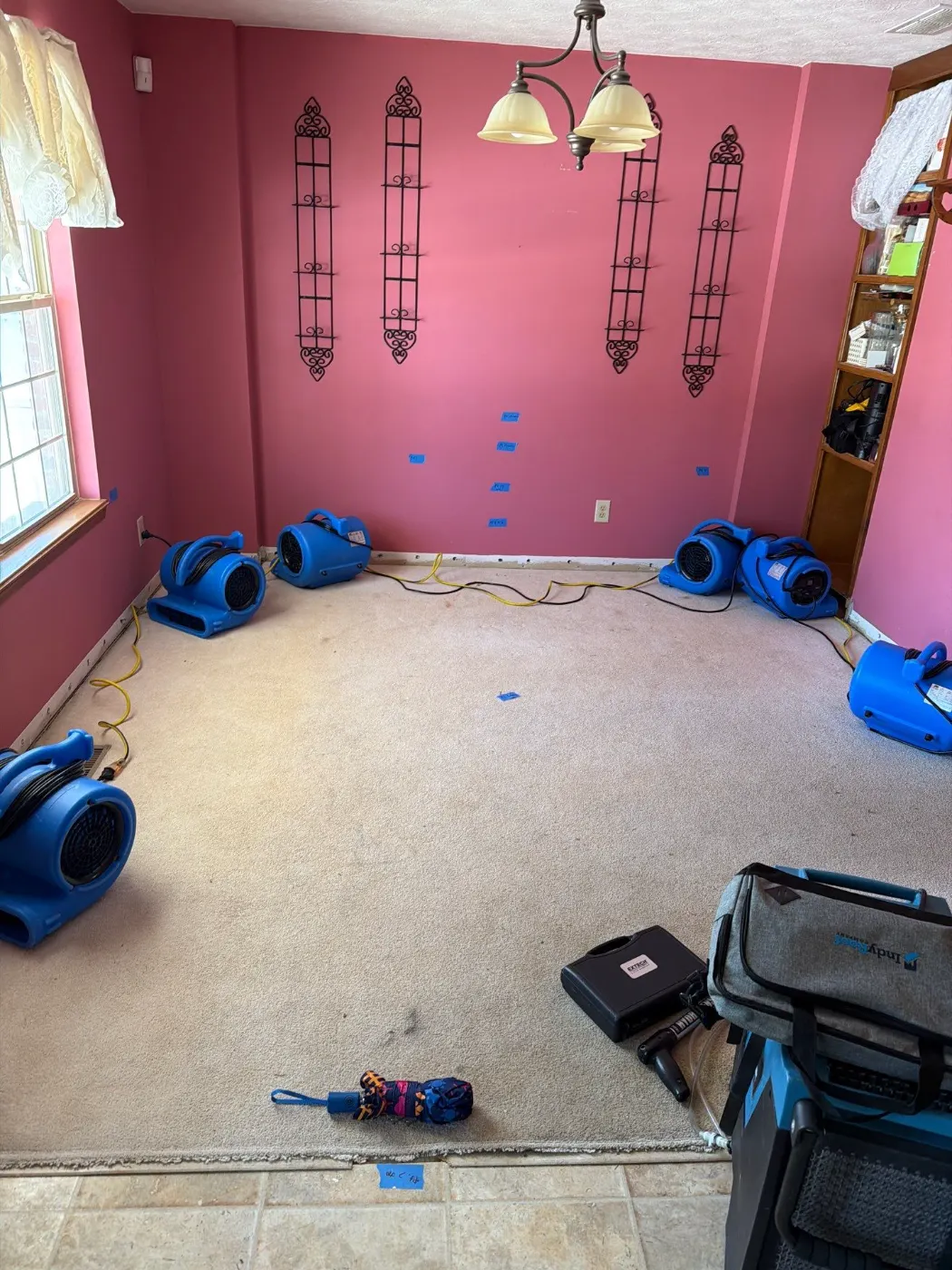
Drying a basement properly is not a fan and a dehumidifier from the hardware store. We start with water extraction using truck mounted or portable units rated at 100 plus gallons per hour. Then we measure moisture content in every affected material using pin and pinless meters, document baseline readings, and set a drying goal. Air movers get placed roughly every 10 to 16 linear feet along wet walls to create the right airflow pattern. Commercial LGR dehumidifiers pull 15 to 30 gallons of water per day out of the air. We monitor daily, adjust equipment, and log readings until materials hit dry standard. A typical Stonewater basement dries in 3 to 5 days. Heavily saturated finished spaces can take 7 days or longer.
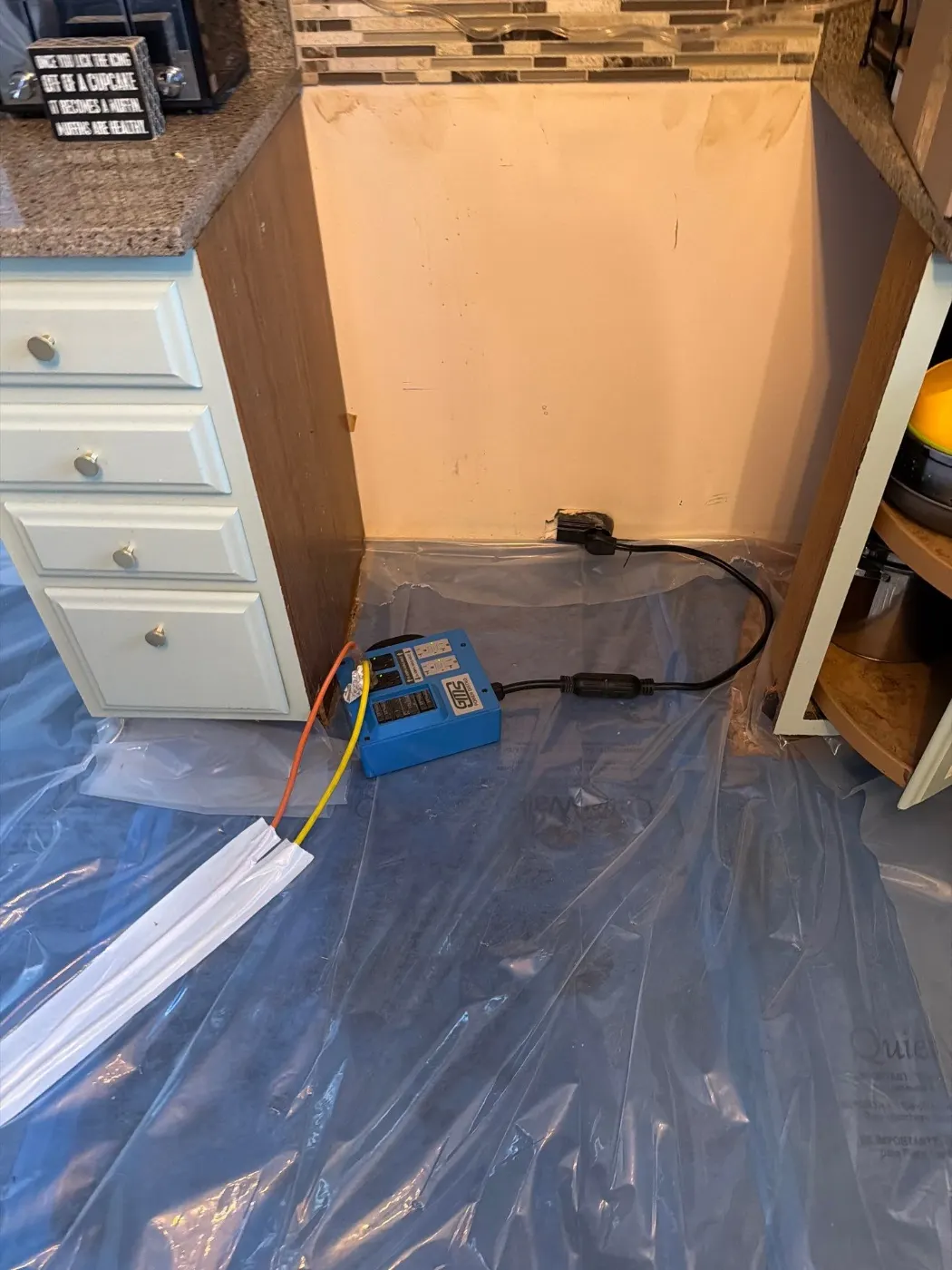
On larger losses we add specialty equipment like injection drying systems for wall cavities, hardwood floor drying mats, and desiccant dehumidifiers when ambient temperatures or humidity make refrigerant units less effective. We also tent off affected areas with poly sheeting to create a controlled drying chamber, which cuts energy use and speeds the process by 20 to 40 percent compared to drying an open basement. Every piece of equipment we leave behind has a purpose, and we remove units as zones hit target moisture readings instead of leaving everything running for the full duration.
Do I need to throw away the carpet and drywall?
Sometimes yes, sometimes no. Clean water, fast extraction, and proper drying within 24 hours often saves carpet, though the pad almost always needs replacement. Drywall that wicked water more than 12 inches up the wall typically gets flood cut at 24 inches and replaced. Anything touched by Category 3 water, which includes sewage backups and groundwater that crossed contaminated surfaces, is non salvageable per IICRC standards and our sewage cleanup protocols. We tell you what is going and what is staying before we start, and we get your signoff in writing.
Personal contents follow the same logic. Solid wood furniture, metal, glass, and most electronics that did not get submerged can usually be cleaned and dried. Upholstered furniture, mattresses, particle board, and paper goods that absorbed contaminated water are almost always a loss. We inventory everything we remove with photos and serial numbers so your contents claim is defensible.
How fast can Stonewater Water Restoration get to my house?
Our standard response window across the Stonewater metro is within 2 hours for emergency calls, 24 hours a day. We arrive with extraction equipment on the truck, not a sales pitch and a promise to come back tomorrow. The first hour on site usually includes assessment, source containment, extraction startup, and a clear written scope before any major demo begins.
Frequently Asked Questions
How fast does Stonewater Water Restoration respond to a flooded basement in Stonewater?
Our standard response window is under 60 minutes for emergency calls inside the Stonewater service area, with technicians dispatched 24 hours a day. Pumps and air movers arrive on the first truck.
Will my homeowners insurance cover the cleanup?
It depends on the source. Sudden pipe bursts are usually covered, but sump pump failure, sewer backup, and surface flooding require specific endorsements. Stonewater Water Restoration documents the loss to support your claim either way.
Can you dry my basement without removing the drywall?
In Category 1 losses caught quickly, yes, often with cavity drying systems. In Category 2 or 3 losses, the IICRC S500 standard requires removal of affected porous materials, and we follow that standard on every Stonewater job.
How long until the basement is fully dry?
Most clean-water losses dry in 3 to 5 days. Contaminated losses with demolition can take 7 to 14 days. We monitor with moisture meters daily and do not release equipment until readings hit dry standard.
What does a typical flooded basement cost in Stonewater?
Most projects fall between $3,500 and $12,000, with Category 3 sewage losses running higher. Stonewater Water Restoration provides a written scope after inspection so you see the line items before work begins.
Have a restoration question?
Our IICRC certified Stonewater crew is ready to help. Free assessments, written scopes, no pressure.